Published August 19, 2026 · Updated August 19, 2026
Loader RFQ Checklist for Mines, Tunnels, Yards, and Plants
A strong RFQ defines the work, machine envelope, material cycle, configuration, destination, documents, and acceptance evidence.
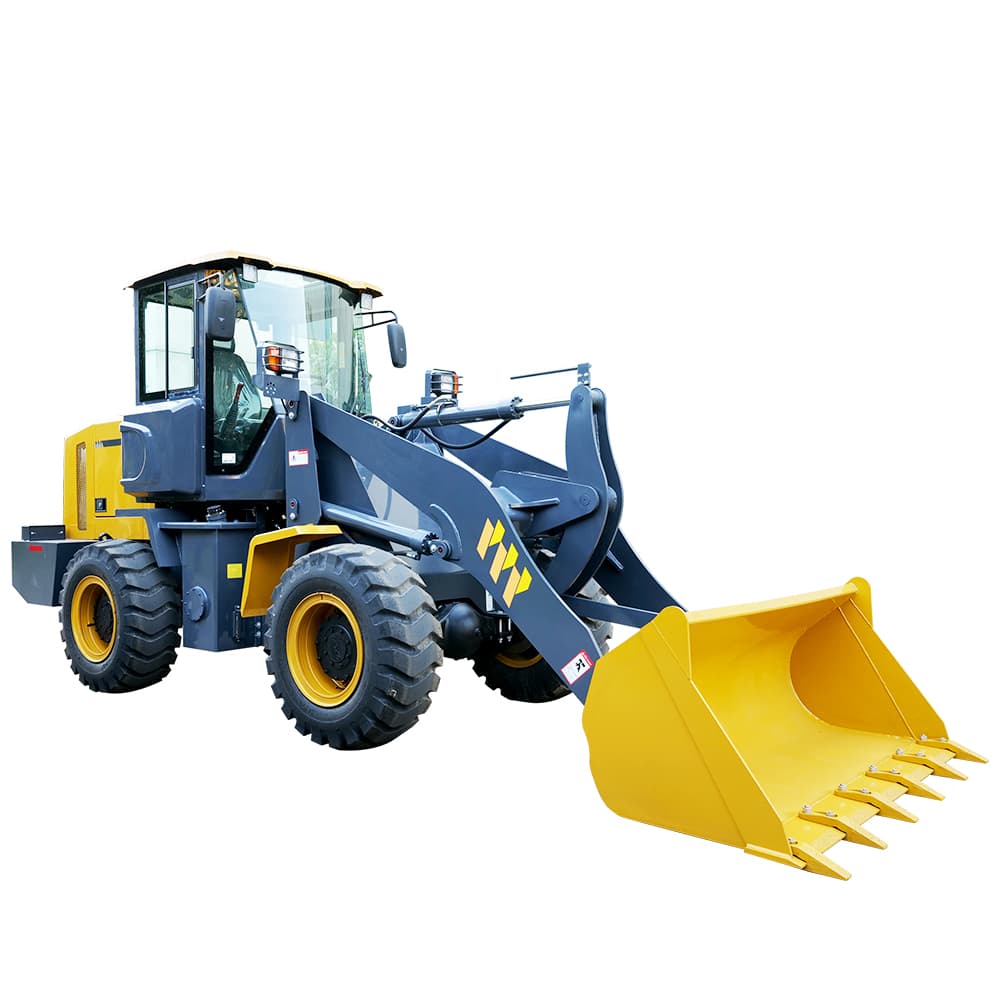
Compact wheel loader reviewed for an application-specific RFQ
/images/compact-wheel-loader.jpg
Define the work and site
| Area | Data to send |
|---|---|
| Site | Roadway or work area, grade, floor, turning, climate, altitude, ventilation |
| Material | Name, density, lump size, moisture, abrasiveness, fragmentation |
| Performance | Target output, rated load, bucket, lift, dump, travel and duty hours |
| Configuration | Track, wheel or rail, power or fuel, voltage, emissions, cab, attachments |
| Interfaces | Wagon, truck, hopper, conveyor, charger, tractor, loading and transport |
| Commercial | Quantity, destination, trade term, timing, documents, inspection, spares |
Ask for the exact configuration sheet
The released sheet should identify manufacturer, model, dimensions, weight, engine or electrical system, emissions, hydraulics, tires or tracks, bucket, attachments, options, warranty, and included documents.
When a source table has a blank or ambiguous unit, request the released data sheet. Do not fill the gap from a nearby model.