
Published August 19, 2026 · Updated August 19, 2026
Roadway Size and Loading Capacity: A Practical Matching Guide
A machine may physically enter a roadway and still lack the clearance to dig, discharge, turn, service, manage cable, or work safely.
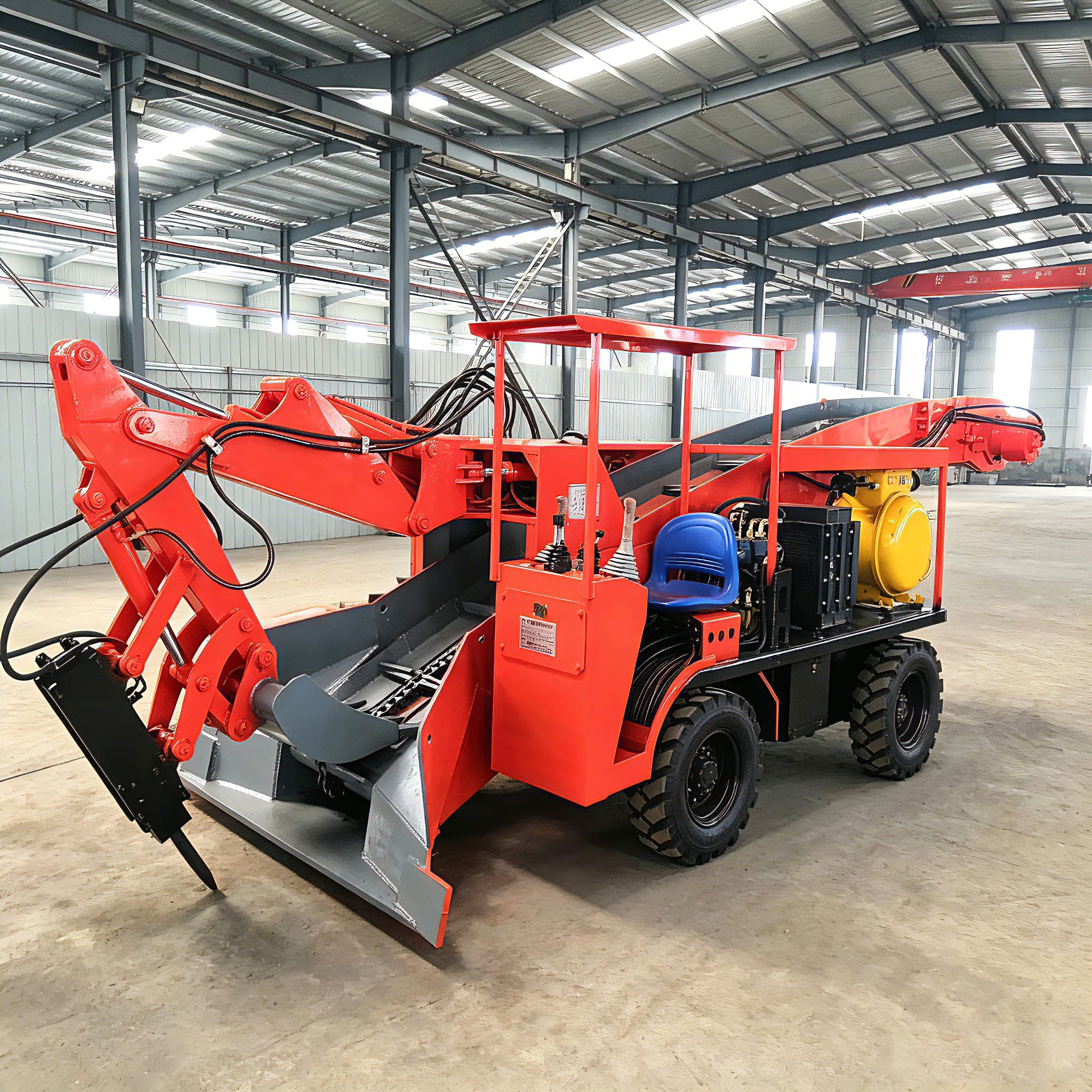
Wheeled mucking loader used to review roadway clearance
/images/wheeled-mucking-loader.jpg
Measure more than the minimum opening
- Minimum and normal width and height
- Roof, supports, utilities, pipes, cables, and local obstructions
- Curves, intersections, turning and reversing areas
- Grade, floor, water, ruts, rail and cross-slope
- Discharge height, receiving vehicle and clearance
- Operator, service, ventilation and emergency access
Use output as a system value
The loader, material fragmentation, face availability, conveyor or wagon exchange, receiving capacity, haulage, operator, and downtime shape actual tonnes or cubic metres per hour.
| Input | Why it matters |
|---|---|
| Material density and lump size | Bucket fill, digging, conveyor, mass output |
| Loading distance and face geometry | Cycle time and reach |
| Discharge interface | Delay, spill, receiving capacity |
| Duty hours and availability | Daily output and thermal duty |
| Section and grade | Machine size, travel, stability, power |